

Average Lifespan of a Sofa: How Long Do Sofas Really Last?
Buying a sofa is a big decision because it’s meant to last for years, not just a couple of seasons. Understanding how long sofas typically last helps you make smarter choices and avoid replacing furniture too often.

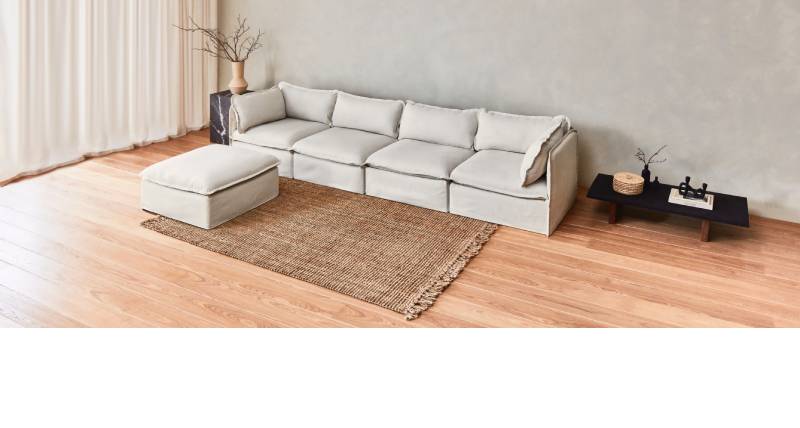
Modular Washable 3-Seater in Chestnut | Memorix+ Seat | Contour Pillow
What Does "Average Lifespan of a Sofa" Mean?
The average lifespan of a sofa is basically how many years your furniture stays comfortable and looks decent before you need to replace it. It doesn’t mean the sofa completely falls apart. Rather, it refers to the point when it no longer performs as it should – cushions lose their support, fabric shows significant wear, or the frame begins to weaken.
Most sofas last between 7 to 15 years depending on quality, how much you use it, and how you care for it. Lower-quality sofas may last only around five years, while well-made pieces can remain comfortable and supportive for 20 years or more.The lifespan of a sofa changes a lot based on how it's built and how much it gets used daily.
Typical Lifespan Ranges for Different Sofas
|
Sofa Type |
Expected Lifespan |
Key Factor |
|
Budget sofas |
3 to 7 years |
Lower-quality materials wear fast |
|
Mid range sofas |
7 to 12 years |
Decent quality for regular use |
|
Premium sofas |
12 to 20+ years |
Better construction lasts way longer |
|
Leather sofas |
15 to 25 years |
Leather ages better than fabric |
|
Modular sectionals |
10 to 15 years |
Sections can be replaced individually |
Pro tip: Purchasing modular sectionals is a smart investment. If one piece wears out, you replace just that section, not the whole sofa.
Key Factors That Determine Sofa Lifespan
Several things determine the life expectancy of a couch beyond just the price.
Frame quality matters most. Hardwood frames last decades while particle boards break down fast. Think of it like a house built with solid wood versus cardboard - one's gonna hold up way better, right?
Cushion density affects overall comfort. High density foam keeps its support for 10 plus years. Low density foam sags within 2 to 5 years and feels terrible.
How much you use it speeds up or slows down wear. Sofas used daily by big families wear faster than guest room pieces used sometimes. Households with pets and kids put extra stress on everything.
How you take care of it extends or shortens how long it lasts.Regular vacuuming, rotating cushions, and early repairs extend life significantly.
Ignore small problems, and they turn into big ones fast. A loose thread today can become a tear tomorrow if not addressed.
Common Signs It's Time to Replace (or Repair) Your Sofa
Watch for seats that stay squished and don’t bounce back, or deep body impressions that linger even when no one is sitting, usually meaning it’s time for a replacement.
Frame damage like Any cracking sounds, wobbling, or visible breaks are a major red flag. A sofa shouldn’t feel like a trust fall every time you sit.
Fabric showing lots of wear with holes, tears, or bad fading looks shabby. Small damaged spots can be fixed but widespread problems need replacement.
Smells that won't go away even after cleaning indicate deep problems in cushions. This often happens after years of spills or pet accidents.
If your sofa continues to hold unpleasant odors even after several thorough cleanings, that’s a clear sign it’s time to replace it.
How to Extend the Lifespan of Your Sofa
Simple care habits add years to the lifespan of a sofa without much effort.
Rotate and flip cushions monthly to distribute wear evenly and help prevent permanent indentations in frequently used spots. Vacuuming once a week is a good idea to get rid of dust, crumbs, and pet hair. This helps prevent them from becoming embedded in the fabric and causing damage over time.
Wipe spills right away by blotting with a clean cloth Quick action stops stains from setting in permanently. Trim pet nails regularly to avoid fabric tears and scratches.
Use washable covers or throws on spots that get used a lot for extra protection.
Rotating the cushions might seem like a hassle, but it really works. Just a couple of minutes each month, and your sofa stays evenly worn and looking great.

Modular Washable 3-Seater Sectional in Kiiro | Memorix+ Seat | Contour Pillow
How Long Should a Good Sofa Last? Realistic Expectations
A well-made sofa, one that's built to last, should easily see you through a decade, maybe even a decade and a half, assuming you treat it right. We're talking about a sofa constructed with solid materials: hardwood or steel frames, high-density foam, and fabrics that are built to last.
Budget sofas lasting 5 to 7 years is reasonable for what you pay. Premium pieces pushing 15 to 20 years justify costing more.
Your household changes these timelines. Large families with multiple kids and pets might see 8 to 12 years from quality sofas because of heavier use. Adults only households could stretch the same sofa to 15 plus years easily.
So, how long should a good sofa really last? With quality construction, high-density cushions, and durable fabrics, a solid sofa should give you at least 10 years of everyday comfort. With Anabei, they’ve designed furniture built to stick around and actually keep up with real life.
Also Checkout: Discover Performance Fabric Sofas Built for Small Spaces and Real Life
Comfort
Conclusion & Final Thoughts — Making a Smart, Long Term Choice
Buying quality construction pays off through longer life and better daily comfort. Look for a strong foundation, whether hardwood or steel frames, high density cushions, and durable fabrics when shopping. These cost more upfront but give you years of reliable use.
Think about how your home really lives. Families with kids, pets, or high-traffic spaces benefit massively from washable covers and performance fabrics that keep sofas looking fresh year after year.
Anabei offers a variety of sofa options, including modular sectionals. These are made for families, built to endure the rigors of daily use, and designed for longevity.
Investing in the best possible quality is, in the end, a smart move.A sofa that lasts 15 years beats replacing a cheap one every 5, hands down. It’s smarter, simpler, and honestly, way less stressful.

Photo by Shelby Masson - Modular Washable 7-Seater Corner Sectional in Eggshell | Memorix+ Seat | Contour Pillow
FAQs
1. What is the average lifespan of a sofa?
Sofas, on average, last around for seven to fifteen years, though it really depends on how they're treated and what they're made of. If you're on a tight budget, expect three to seven years. Splurge on a premium piece, and you might get twenty years or more. Mid-range sofas generally hold up for a decade or so.
2. How long should a good sofa last?
A well-made sofa, assuming it's built to last with a solid frame, high-density foam, and sturdy upholstery, should comfortably serve you for a decade or more – perhaps even fifteen years. Of course, this lifespan hinges on how you treat it. Regular upkeep will nudge it closer to that upper limit.
3. Does material (fabric vs leather) affect longevity?
Material selection undeniably influences a couch's lifespan. Leather, for instance, often endures for 15 to 25 years. This is because leather tends to improve with time, rather than visibly deteriorating. Sofas upholstered in high-quality fabric usually last between 10 and 15 years. Conversely, those made with less expensive fabrics often show signs of wear within 5 to 7 years.
Selecting a sofa covered in performance fabrics is a smart move if you want it to last. Seek out materials that repel stains and spills, and boast a high rub count. This will help the fabric keep its good looks, feel, and strength, even with years of daily use.
4. Can I make a sofa last longer with maintenance?
Absolutely. Consistent maintenance can extend a sofa's life by three to five years. A weekly vacuum, monthly cushion flipping, and prompt spill cleanup are all smart moves. A professional cleaning once a year is also a smart move. These straightforward steps will help your sofa stay strong, inviting, and visually appealing for a long time.
5. When should I repair vs replace my sofa?
Repair makes sense for small problems like tiny tears or single worn cushions when the frame stays solid. When frames crack, cushions lose their shape, fabric becomes unsightly, or unpleasant odors linger, it's time to consider replacement. If the cost of fixing the existing sofa exceeds fifty percent of a new one, buying a new piece is the more sensible choice.