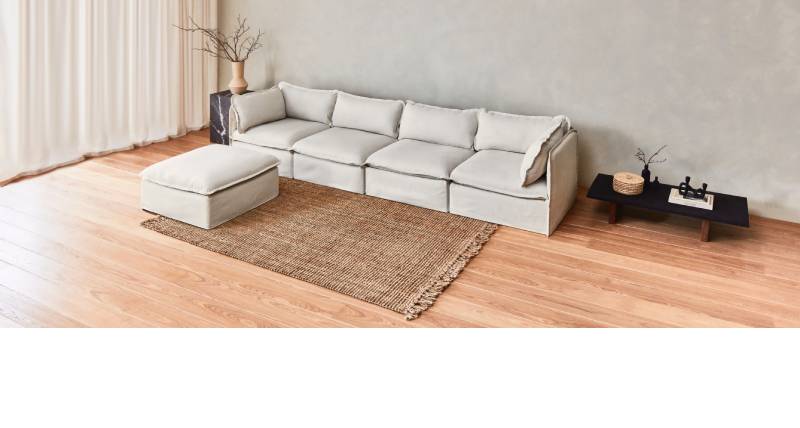


How to Choose the Right 3-Seater Sectional for Small Homes
Finding the right seating for a small home can feel like solving a puzzle. The space needs to work well, feel comfortable, and still look good. A 3-seater sectional offers a smart solution that gives you plenty of seating without taking over the room. However, picking the right one takes more than just choosing what looks nice online.
This guide shows you how to select a 3-seater sectional that fits and functions perfectly in smaller rooms.

Modular Washable 3-Seater Sectional in Ash | Memorix+ Seat | Contour Pillow
Why 3-Seater Sectionals Work Well in Small Homes
A 3-seater sectional fits naturally into small living spaces because it gives you seating for several people without needing as much floor space as separate furniture pieces. Unlike a sofa plus extra chairs, a sectional uses corner space really well.
The L-shape of most 3-seater sectionals lets people move around more easily compared to furniture sitting in the middle of a room. When seating is placed along walls, there is more room to walk. This arrangement also defines a clear seating area, helping small rooms feel organized, open, and intentional rather than cluttered.
Another helpful benefit is flexibility. Many modern 3-seater sectionals, like those from Anabei, have modular designs that can be moved around based on what someone needs or when the room layout changes. This flexibility is especially valuable in smaller homes, where furniture often has to work harder and serve multiple purposes.
Measuring Your Space Before Buying
Getting the right measurements prevents expensive mistakes. Before looking at any 3-seater sectional, homeowners should measure three key parts of their living space.
First, measure the whole room, including length and width. Write these numbers down instead of trying to remember them.
Second, measure the exact spot where the sectional will go. Think about doorways, windows, heating vents, and any wall features that might get in the way.
Third, measure the furniture that will stay in the room. A sectional needs to work well with other pieces without making everything feel cramped. Leave enough space for walking around. Most experts say to keep at least 18 inches of walking space around furniture, though 24 to 30 inches is better if possible.
Consider the depth of the sectional as well as its length. Deeper sectionals feel more comfortable but occupy more floor space, so measure from the wall to ensure it won’t block walkways or extend too far into the room.
Choosing the Right Configuration for Small Rooms
3-seater sectionals come in different shapes, and the right choice depends on the room's shape and what someone needs.
The standard L-shaped setup puts the long part on either the left or right side. This works well in rectangular rooms where the sectional can sit against two walls that meet in a corner. Homeowners should figure out which side makes more sense based on their room and where people will be walking through.
Some 3-seater sectionals have a reversible long section. This flexibility lets homeowners switch things around if they move or change their living room setup.
For really tight spaces, think about a sectional without the long lounging part. These pieces have three regular seats arranged in an L-shape, but without the extended section. While this gives up some comfort, it saves a lot of floor space.
Pay attention to the arm style. Low or no arms create a more open feeling in small spaces compared to sectionals with big, chunky arms. Anabei’s modular, washable sectionals feature clean lines and thoughtfully sized pieces that fit perfectly in rooms where space is limited.
Space-Saving Features to Look For
Some design features make 3-seater sectionals better suited for small homes.
Storage options add real value in tight spaces. Some sectionals have hidden storage under the seats or in the long section. This extra storage helps keep small living areas neat by giving you a place for blankets, pillows, or other items.
Look for sectionals with legs you can see instead of ones that go all the way to the floor. Visible legs create a sense of openness by letting light pass underneath the furniture. This small detail makes rooms feel less crowded.
Think about how tall the sectional back is. Low-back designs keep the furniture from taking over a small room visually. However, balance this with comfort needs, since very low backs might not give enough support.
Modular construction offers real advantages. Being able to take sections apart makes it easier to move furniture through narrow doorways and hallways. Anabei specializes in modular designs that come apart for easy moving and can be set up differently as needs change.
Best Fabrics and Colors for Small Spaces
The fabric and color choices have a big impact on how roomy a space feels.
Light colors reflect more light and make small spaces look bigger. Neutral colors like beige, light gray, or soft white work especially well. These colors also give you flexibility when decorating, since they match easily with different accent colors and decor styles.
That said, darker colors can work in small spaces when used the right way. A dark sectional against light walls creates contrast without making the room feel smaller. (What matters most is having enough difference between colors so furniture does not blend into the walls and look confusing.)
Texture matters along with color. Smooth, tightly woven fabrics look more formal and can make furniture appear a bit smaller. Textured fabrics add visual interest but might make furniture seem bulkier.
Practical concerns should guide fabric choices. Small living spaces often serve multiple purposes, and the sectional will probably get used every day. Strong, stain-resistant fabrics make sense for areas that see a lot of use. Anabei's machine-washable slipcovers offer an especially practical solution, letting homeowners keep their sectional looking fresh without paying for professional cleaning.

Styling Tips to Make a Small Room Look Bigger
Smart styling makes the space-saving benefits of a good 3-seater sectional even better.
Use mirrors in smart ways. Putting a mirror on the wall across from or next to the sectional reflects light and creates the feeling of more space. This works especially well in rooms with not much natural light.
Keep the area around the sectional fairly clear. While it might be tempting to fill every corner, empty space actually makes rooms feel bigger. Pick one or two accent pieces instead of crowding the sectional with too many side tables or decorations.
Tall elements draw eyes upward and make ceilings feel higher. Tall, narrow bookshelves or floor lamps add function without using much floor space. Shelves mounted on walls do the same thing.
Area rugs mark off the seating area without actually dividing the space. Pick a rug big enough that at least the front legs of the sectional sit on it. This anchors the furniture and makes everything look connected.
Lighting plays a big role. Several light sources at different heights make rooms feel more open than one overhead light. Think about adding a floor lamp next to the sectional and maybe a table lamp on a nearby surface.

Modular Washable 3-Seater Sectional in Oat | Memorix+ Seat | Contour Pillow
Common Mistakes to Avoid When Buying a 3-Seater Sectional
Several common errors lead to disappointment with sectional purchases.
1. Buying based only on online measurements. Numbers on a screen do not show how things really are in physical space. If you can, visit a store to see similar-sized pieces in person. Alternatively, use painter’s tape on the floor to outline the sectional’s dimensions before making a purchase.
2. Forgetting about doorway and hallway measurements. A sectional that fits perfectly in the room might not fit through the door to get there. Measure all doorways, hallways, and stairways along the delivery path. Modular sectionals avoid this problem since they come in separate pieces.
3. Not thinking about daily use. Think about how the sectional will actually be used. Does the long part face the television? Can people easily get in and out of the seats? Is there room for a coffee table at a comfortable distance?
4. Picking trendy over timeless. Bold patterns or very specific colors might look good at first, but can feel limiting later. Neutral, classic designs usually age better and work with changing decor preferences.
5. Forgetting about maintenance. Small spaces often mean more contact with furniture. Fabrics that show every mark or need professional cleaning become a burden. Machine-washable options, like those from Anabei, get rid of this concern.
6. Not paying attention to depth. A sectional that looks perfect in photos might stick out too far into the room. Pay careful attention to depth measurements, not just length.
FAQs
1. What size 3-seater sectional is best for a small home?
The right size depends on the specific room dimensions, but most 3-seater sectionals measure between 75 and 95 inches in total length. For small homes, staying toward the smaller end of this range usually works better. Measure the space carefully and leave enough room for moving around the furniture. Compact setups without oversized arms or extra-deep seats give maximum seating while using minimal space.
2. How do I measure my living room for a sectional?
Start by measuring the room's total length and width. Then measure the specific wall space where the sectional will sit. Note where doors, windows, vents, outlets, and any wall features are located. Measure the height of the sectional's arms against window sills to make sure they will not block natural light. Use painter's tape to mark the sectional's size on the floor, which helps visualize the scale before buying.
3. Can a 3-seater sectional fit in a studio apartment?
Yes, a 3-seater sectional can work in a studio apartment if chosen carefully. Look for compact setups with low backs and small arms. Modular designs offer special advantages since they can be separated or rearranged as needs change. Think about a sectional that doubles as a sleeping space if the studio lacks a separate bedroom. Position the sectional to define the living area without blocking natural light or creating barriers to other parts of the studio.
4. Which configuration works best for tight spaces?
For the tightest spaces, a reversible long section gives the most flexibility. This allows adjustment based on room layout and future changes. Another option is a sectional with a shorter long part or no arms, which gives maximum seating while using minimal space. Corner setups that fit snugly against two walls usually work better than freestanding arrangements in small rooms. Think about traffic patterns and doorway locations when figuring out the best setup for the space.