

Modular Furniture Systems: Benefits, Drawbacks & Best Practices
Life is never static. You relocate to a new town. Your family expands. You upgrade your homes. Through all of it, your furniture remains static in one form. Modular furniture was created to solve those problems.
Instead of forcing your life to fit your sofa, modular designs adjust to you. They adapt to new spaces, new needs, and new routines without sacrificing comfort or style.
Flexible living deserves furniture that can keep up.
What is Modular Furniture?

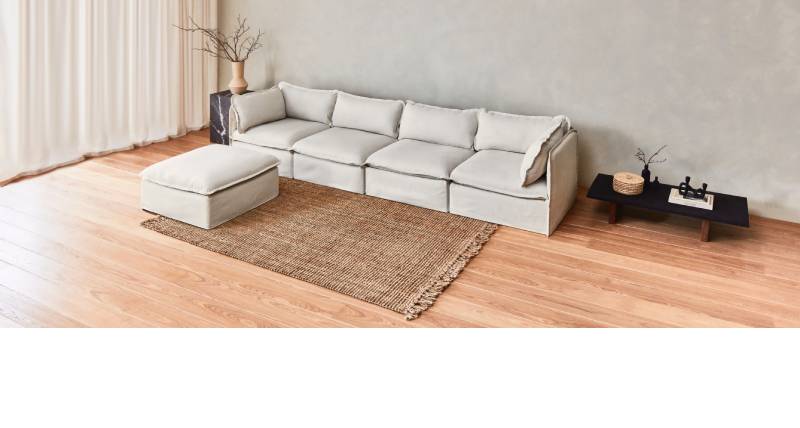
Modular Washable 3-Seater in Ash | Memorix+ Seat | Contour Pillow
Modular furniture is separate units that fit together and reconfigure with ease. It's like big people building blocks. Every module is on its own, but they fit perfectly together.
Unlike buying regular furniture as a whole set, modules allow you to begin in small ways and expand. Purchase a two-seater today, and a chaise lounge later on. Every piece stands alone or in concert. You're in charge of the final appearance.
Key Modular Furniture Features
-
Separate components that mix together in a harmonious way
-
Configurations that reconfigure to suit any room
-
Systems that develop as your life does
-
Join pieces to create bespoke solutions
Understanding these basics shows why modular living room furniture has become essential.
The Benefits of Modular Furniture Systems
The most significant advantage is flexibility. Rearrange your living room in minutes. Hosting a party? Add on seating. Need less space on the floor? Reduce your setup.
It is so much simpler to relocate. Piece by piece, through small doors and narrow stairs. No longer renting movers for a single sofa. Load up your vehicle and move into your new residence.
It is cost-effective in the long run. Broke one piece? Replacing just that component. Need a new look? Replace a few pieces instead of having to buy an entire new couch.
Modular sofas are especially well-suited for smaller spaces.
Make an L to occupy a corner. Use pieces without arms to conserve inches. Incorporate storage ottomans that serve more than one function.
|
Feature |
Traditional Furniture |
Modular Furniture |
|
Flexibility |
Fixed Shape |
Unlimited Setups |
|
Moving |
Bulky, Hard |
Individual Pieces, Easy |
|
Expansion |
Buy a New Piece |
Add Sections as Needed |
|
Damaged Parts |
Replace Whole Thing |
Replace Single Part |
|
Space Adaptation |
Limited |
Fully Customizable |
Key Advantages Of Modular Furniture
-
Fit furniture into any room instantly
-
Relocate houses without movers and packers
-
Easily replace pieces/components without having you replace the entire sofa
-
Expand or minimize your seating as needed for guests
-
Alter your look without costly buys
All these benefits sound great, but let us also talk about the shortcomings.
Knowing the Shortcomings: What to Think About
-
Because modular systems offer so many layout possibilities, they take a bit more intention. You will want to think about how you will use your space today and how that might change tomorrow.
-
Not all modular furniture is created equal. Lower-quality systems can show gaps, weak connectors, or mismatched pieces. Premium systems, like Anabei’s, are engineered to stay secure, seamless, not visible, and beautifully aligned.
-
Well-made modular furniture often costs more initially because it uses better materials and construction. But that investment pays off in longevity, durability, and flexibility.
-
Buying a new piece years later can be tricky if a brand changes materials, but choosing complete sets upfront ensures that any future additions will match your existing furniture perfectly.
-
Picking the ideal setup is trial and error. You will probably dance around a bit before deciding on what feels most comfortable.
Being truthful with these boundaries enables you to determine whether or not modular living room furniture is appropriate for your way of living.
Modular Living Room Furniture Best Practices
Begin by determining your fundamental needs. How many people are in your living room on a daily basis? Do you see friends a lot or have guests at home all the time?
-
Plan for actual growth. If you will have visitors over on a regular basis, plan for it ahead of time.
-
Take careful measurements. Room dimensions, doorway size, and passageways. These measurements avoid expensive errors.
-
Quality is preferable to quantity any day. Two fine pieces perform better than five low-cost ones.
Smart Buying Guide
1. Measure your room and note tight areas
2. Decide on your realistic seating needs
3. Take into consideration lifestyle factors like pets and kids
4. Choose neutral base pieces, and add personality with pillows
5. Invest in quality connectors that hide completely
6. Choose machine-washable fabrics that suit your lifestyle
These suggestions guarantee your modular furniture provides the greatest value.
Modular Sofas for Small Spaces: Making Every Inch Count
Small space dwellers require inventive solutions. Modular sofas for small spaces fit tricky layouts with ease.
L-shaped set-up nest into corners, delivering maximum seating without taking up floor space. Armless units save 6 to 8 inches of side space.Ottoman units offer true versatility, working as free-floating accent pieces or connecting seamlessly to modular sections to create a comfortable chaise lounge setup.
|
Space Type |
Optimum Configuration |
Why It Works |
|
Studio Apartment |
2 Seat with Ottoman |
Covers Multiple Zones |
|
Small Living Room |
L-Shaped Corner Set or Sofa |
Provides Maximum Seating |
|
Narrow Room |
Linear 3 Seat with Chaise |
Creates Flow |
|
Multi-Purpose Space |
Armless Chairs |
Can Double Up As Needed |
Intelligent design turns constraints into design solutions in smaller homes.

Modular Washable 5-Seater Corner Sectional + Ottoman in Willow | Memorix+ Seat | Contour Pillow
Best Modern Sofas: Where Modular Design Excels
Modern design adores clean lines and minimalist appearances. Modular furniture just works with style. The best modern sofas keep things simple and sleek while still being super functional.
Sleek lines without cumbersome arms create modern spaces. High-end materials such as performance linens bring modular pieces into the luxury zone.
Designing Contemporary Modular Spaces
-
Use area rugs to define spaces
-
Leave walkways clear for unobstructed circulation
-
Create conversation groupings
-
Layer textures with pillows and blankets
-
Consider room proportions, rather than size
These design solutions enable modular furniture to become the focal point in modern homes.
The Future of Flexible Living
Modular furniture is not a passing trend. It reflects the way we truly live today. Life changes quickly. Careers take us to new cities. Families grow and evolve. Homes shift and adapt. Our furniture should be able to do the same.
Anabei embraces this modern way of living with modular systems designed for both luxury and real-world versatility. Thoughtful engineering and high-quality materials create furniture that feels refined and intentional, yet adjusts effortlessly to everyday life. Each piece is made to grow with you, adapt to your space, and support the moments that matter most.
You May Also Read: A Comprehensive Guide to Slipcover Sectionals: Materials, Benefits, and Longevity
Anabei’s Mastery

Modular Washable 3-Seater in Powder | Memorix+ Seat | Contour Pillow
Anabei designs modular furniture that feels as seamless as it is smart. Every detail is considered, including hidden connectors that keep your sofa looking clean, tailored, and perfectly unified no matter how you arrange it. Each module is thoughtfully crafted with removable, machine-washable covers, because real life should never feel off-limits.
Anabei’s modular collection blends premium high performance fabrics, precise engineering, and modern craftsmanship. We’ve reimagined what modular furniture can be by eliminating the usual trade-offs. The result is furniture that looks sophisticated, feels incredibly comfortable, and adapts effortlessly to your needs.
With Anabei, your home evolves as you do. Add pieces when your space grows, reconfigure for a new layout, or expand seating when company arrives. It’s furniture designed to move with your life, not stand in the way of it.
FAQs
1. What is a modular furniture system?
Modular furniture is made of individual pieces that connect or stand alone, letting you reconfigure layouts as your space or needs change.
2. What are the biggest benefits of modular furniture systems?
They offer flexibility, easy moving, and long-term value because you can add, remove, or rearrange sections over time.
3. What are the main drawbacks of modular furniture?
Some systems cost more upfront and may show seams between pieces if not well-designed or properly secured.
4. What should I look for when buying modular furniture?
Focus on solid frames, secure connectors, durable upholstery, and module sizes that fit doorways and future layouts.
5. How do I maintain modular furniture for long-term use?
Rotate sections, tighten connectors regularly, and clean covers or upholstery as recommended to prevent uneven wear.