

How to Choose Non-Toxic Couches for Your Home
Shopping for a new couch suddenly turns into a chemistry lesson: flame retardants, off-gassing, and chemicals with names nobody can even pronounce. Choosing non-toxic couches can feel overwhelming once you realize just how many sneaky substances hide in ordinary furniture. The good news? More brands are finally making sofas that are safe for daily life—without compromising style or comfort.
Here’s the thing most people don’t realize until it’s too late: we spend hours every day on our couches. Netflix binges, working from home, or just sneaking a nap—they’re all moments where we’re breathing in whatever our furniture is releasing. Kids crawling near the floor get even more exposure because dust and chemical residues settle low. Anabei takes this seriously, using Oeko-Tex certified fabrics and materials made without “forever chemicals,” so you can actually relax on your furniture without worry.

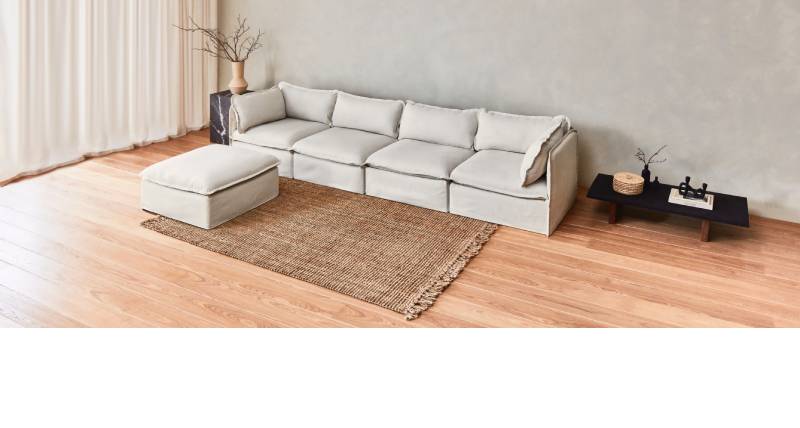
Modular Washable 3-Seater Sectional in Eggshell | Memorix+ Seat | Contour Pillow
What Chemicals Are Hiding in Regular Couches?
A closer look at traditional sofas reveals a surprising mix of chemicals most of us would rather avoid.Flame retardants top the list of concerning chemicals, and they used to be in basically every couch sold before 2015 in North America. While well intentioned, these substances have since been linked to potential disruptions in thyroid function, reproductive health, and even childhood development.
Formaldehyde shows up in the glues and pressed wood used in sofa frames, slowly releasing into air over months or years. VOCs, which stand for volatile organic compounds but basically mean chemicals that evaporate and people breathe in constantly, come from foam, fabric finishes, and adhesives throughout couches. That new furniture smell everyone talks about, like it's exciting? That's literally chemicals off-gassing into homes, and it's definitely not something anyone wants to be inhaling daily.
PFAS, often called “forever chemicals,” are frequently added to fabrics to make them stain- and water-resistant. These chemicals don’t break down easily and have been detected in the bloodstream at concerning levels. Ongoing research has linked them to health issues including thyroid disruption and certain cancers. For households with children, expecting parents, or anyone focused on creating a healthier home, avoiding PFAS is an important step when choosing a truly non-toxic sofa.
How Do You Actually Find Non-Toxic Couches That Work?
Finding truly non-toxic couches takes a little more than trusting feel-good marketing. The key is to look for real, third-party certifications that actually mean something. CertiPUR-US, for example, confirms that cushion foams are made without flame retardants, heavy metals, formaldehyde, or phthalates, and that they meet low VOC standards. While it’s still petroleum-based foam, it’s a far safer choice than unverified materials with unknown ingredients hiding inside.
Oeko-Tex certification tests fabrics for over 100 harmful substances and sets limits way stricter than most legal requirements globally. Anabei's fabrics carry this certification, meaning they've been thoroughly tested and passed strict standards for what can touch skin all day, every day. GREENGUARD Gold certification takes things a step further by measuring how furniture impacts indoor air quality. Products with this certification are tested for emissions from thousands of chemicals and VOCs, helping ensure the air in your home stays cleaner and healthier to breathe.
Ask companies directly about what they use and don't use in their furniture construction, because transparency is key, and it’s often what separates truly responsible companies from those hiding behind vague claims.Brands that prioritize non-toxic design should be able to clearly explain the materials they use and what they avoid. If answers around flame retardants, PFAS, or VOCs feel unclear or evasive, that’s a strong sign to keep looking elsewhere.
Also Checkout: The Growing Popularity of Easy-to-Clean Couches

What About Steel Frames Instead of Wood?
Here's something interesting that most people never think about when furniture shopping: steel frames eliminate wood entirely from the equation. Anabei uses industrial grade steel frames in their construction, which means zero wood products, zero formaldehyde from plywood or MDF, and way less off-gassing overall. No glues needed for frame assembly either, which cuts out another major source of VOCs floating around houses.
Steel frames also last way longer than wood or engineered wood, which can warp, crack, or break down over time with use. The durability factor means not replacing non-toxic sofas in five years because frames give out, which saves money and keeps furniture out of landfills. Plus, steel frames handle moisture better than wood if living somewhere humid or having occasional spills that seep through cushions.
Does Washable Furniture Actually Help with Chemical Concerns?

Here's something most people don't think about when worrying about toxins: being able to wash couch covers actually helps reduce chemical exposure over time significantly. Anabei's completely washable slipcovers mean removing accumulated dust and any surface chemicals regularly instead of letting them build up for years on furniture people are touching constantly.
That dust settling on furniture often contains those flame retardants and other chemicals that have migrated out of the foam and materials over time. Regular washing keeps non-toxic couches actually non-toxic by preventing chemical-laden dust from piling up where people sit daily. Performance fabrics made without PFAS treatments still resist stains and spills naturally through tight weaving and engineering rather than chemical coatings sprayed on.
When accidents happen, and they always do, eventually covers just zip off and wash away the mess instead of spot-treating with more chemicals, or calling expensive professional cleaners who use harsh products.Washability is especially important for families with babies and young children, who spend a lot of time on the floor and tend to explore everything hands-first (and mouth-first). Being able to regularly wash covers helps reduce the buildup of dust and residue where little ones play, making the space cleaner and more reassuring for everyday life
FAQs
1. Are all CertiPUR-US certified foams completely non-toxic?
Not completely, but they're way safer than uncertified foam floating around CertiPUR-US eliminates the worst offenders like flame retardants and heavy metals, though it's still petroleum-based foam at its core. Natural latex is cleaner if budgets allow stretching that far.
2. Will my old couch off-gas forever, or does it stop eventually?
Furniture continues releasing chemicals throughout its life, just at lower levels after the first few months of being new. As foam ages and breaks down, it can actually release more particles into the air people breathe daily at home.
3. Why avoid memory foam if it feels so comfortable?
Memory foam typically off-gasses way more VOCs than regular polyurethane foam because of how it's manufactured. For reducing chemical exposure, regular foam or natural latex makes more sense, even if memory foam feels slightly cushier initially.
4. Does PFAS-free mean the fabric isn’t stain-resistant?
Not at all. PFAS-free simply means the fabric is made without “forever chemicals” that can linger in the environment and the body. While traditional performance fabrics often rely on C6 or C8 (forever chemicals) chemical treatments for liquid resistance, Anabei uses safer C0 treatments instead.
These advanced finishes still help repel water and stains - without harmful residues - so spills are easier to clean, and your home stays healthier in the long run.
Why Choose Anabei?

Modular Washable 3-Seater in Powder | Memorix+ Seat | Contour Pillow
Anabei creates furniture with health in mind from the very beginning instead of as an afterthought tacked on for marketing. Their Oeko-Tex certified fabrics and commitment to materials without PFAS or forever chemicals mean getting genuinely non-toxic couches that won't compromise indoor air quality over years of use. With steel frames eliminating wood-related formaldehyde, washable covers that let people keep surfaces clean and fresh, and transparent information about what's actually in their products, Anabei makes choosing healthier furniture way easier than it used to be for regular people. Families deserve furniture that supports wellbeing instead of slowly poisoning them, and Anabei delivers exactly that without sacrificing style or comfort in the process.